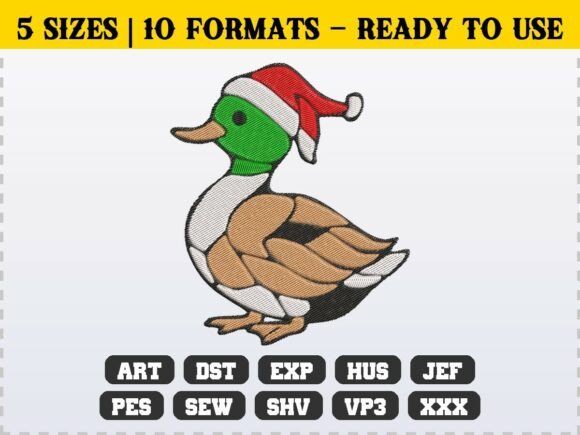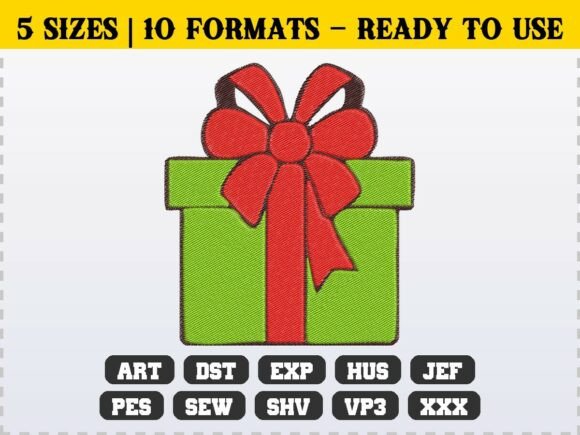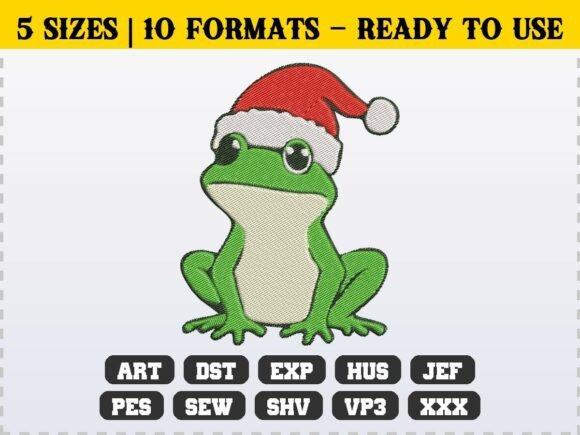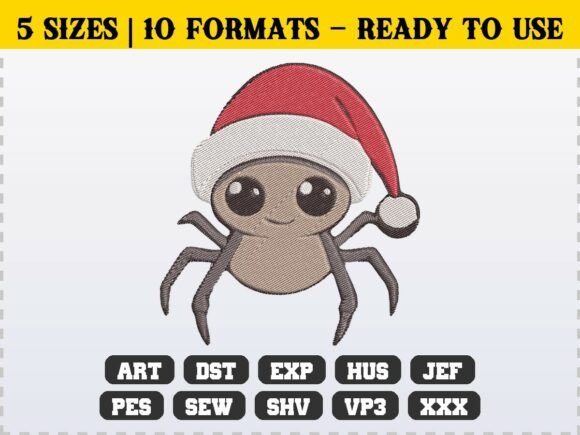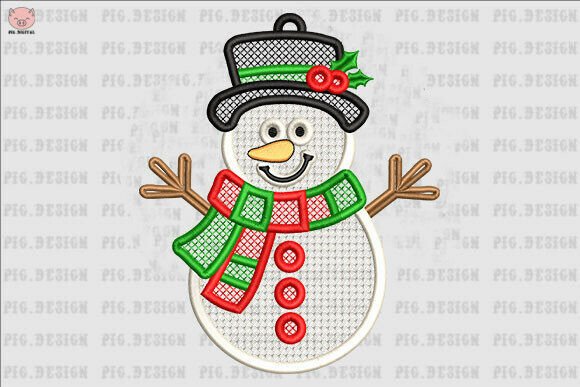
Earring Snowman Embroidery
A Practical Review for Small Business Merch & Branded Patches
As an embroidery designer who’s digitized and stitched thousands of designs for cafés, boutiques, bakeries, pet brands, and handmade studios, I approach every new machine embroidery design with two questions: Will it hold up in real-world production? and Does it strengthen brand identity—not just decorate? When I first saw Earring Snowman Embroidery, my instinct was to pause. The name hints at charm and whimsy—but also precision. “Earring” suggests scale, delicacy, and intentional detail; “Snowman” grounds it in seasonal warmth and approachability. That duality is exactly what makes this design promising for small business merch—if used thoughtfully.
First Impression: Playful, Polished, and Professionally Balanced
Despite its lighthearted theme, Earring Snowman Embroidery reads as intentionally crafted—not generic clip art. From the title alone, I expect clean outlines, balanced negative space, and a sense of proportion that honors both embroidery limitations and visual impact. It feels friendly but not childish, festive but not overwhelming, and handmade in spirit without sacrificing polish. That’s rare in Christmas-themed digital embroidery files—and vital when your apron or tote bag doubles as a brand ambassador.
Where It Shines in Real Business Use
This design excels where many holiday motifs fail: versatility across applications. As an embroidered patch, Earring Snowman Embroidery works beautifully on denim jackets for a local florist’s winter pop-up, or sewn onto canvas totes for a boutique’s holiday gift set. Its compact scale and clear silhouette make it ideal for chest logos on staff uniforms—think café baristas wearing embroidered snowmen on black aprons, or pet groomers stitching it subtly above a pocket on navy work shirts.
- Cap embroidery: Clean enough for front-panel placement on structured caps—no overcrowding, no stitch bleed.
- Apron embroidery: Holds definition even on textured cotton duck fabric, especially when paired with a medium-weight cutaway stabilizer.
- Tote bag design: Reads clearly at 3–4 inches wide—ideal for side panels or bottom corners without dominating the entire surface.
- Product packaging accents: Works as a subtle embroidered tag on handmade soap boxes, hot cocoa kits, or artisan cookie tins.
- Etsy branding: Adds warmth and personality to shop-branded merchandise—without locking you into a single season if styled neutrally (e.g., charcoal thread on cream twill).
Where to Proceed with Care
Like any well-intentioned design, Earring Snowman Embroidery has boundaries—and respecting them protects your reputation and ROI. Avoid shrinking it below 2 inches wide for patches; fine details (like earring wires or button texture) may collapse or stitch poorly on curved surfaces like cap fronts or knit beanies. On dark uniforms, verify thread color contrast—test in black and white first to assess legibility. High stitch density can cause puckering on lightweight fabrics like poplin shirts, so always test on your exact garment fabric before bulk production.
Also consider usage context: if your bakery uses this on oven mitts or tea towels, confirm the design avoids tight internal corners that trap moisture or resist cleaning. For customer-facing items like reusable totes or gift tags, ensure all elements are fully enclosed—no floating threads or clipped outlines that fray after repeated washing.
How It Builds Brand Identity—Not Just Seasonal Flair
Small businesses often treat holiday designs as disposable decoration. But Earring Snowman Embroidery offers something deeper: a chance to reinforce warmth, craftsmanship, and human-scale charm. When customers see it on a barista’s apron or a florist’s delivery tote, they’re not just registering “Christmas”—they’re absorbing cues about your brand’s tone: attentive, thoughtful, quietly joyful. That builds trust faster than any slogan.
Consistency matters too. If you use Earring Snowman Embroidery alongside your primary logo—say, as a secondary motif on sleeve cuffs or product tags—it strengthens visual rhythm across your lineup. And because it’s inherently scalable and adaptable, it supports long-term design assets: swap thread colors for spring (mint + cream), simplify for year-round use (remove scarf, keep shape), or pair it with custom typography for printable mockups that convert on Etsy or Instagram.
Essential Embroidery Designer Notes Before Production
Before committing to bulk runs, run these checks—every time:
- Test in monochrome first. Print or stitch a grayscale version to evaluate balance and clarity—especially for small patch sizes.
- Confirm minimum viable size. Does it read cleanly at 1.75” wide? If not, adjust or request a simplified variant.
- Review thread color contrast. Light threads on light fabric—or dark-on-dark—can vanish. Always match thread to your base material’s value, not just hue.
- Inspect spacing and underlay. Tight lettering or nested shapes need proper underlay to prevent gapping. Look for smooth transitions between elements.
- Verify hoop size compatibility. Ensure your frame fits the design’s widest dimension—including jump stitches and tie-offs.
- Test on real fabric + stabilizer. A 60% polyester blend behaves differently than 100% cotton duck—don’t skip this step.
- Create a client-ready mockup. Show how Earring Snowman Embroidery looks on actual garments—not just isolated PNGs.
- Compare beside other design assets. Does it harmonize with your logo, typography, and existing embroidery file library?
- Confirm commercial licensing. Since this is intended for small business merch and branded patch use, ensure your purchase includes rights for resale, promotional use, and physical product application.
Remember: a strong digital embroidery file isn’t just about prettiness—it’s about reliability, scalability, and silent brand reinforcement. Earring Snowman Embroidery delivers that potential. Used with intention, it becomes more than a holiday motif—it becomes part of your story, stitched in thread and trust.