Elegant Black Swan Embroidery File
A Design That Whispers—Not Shouts
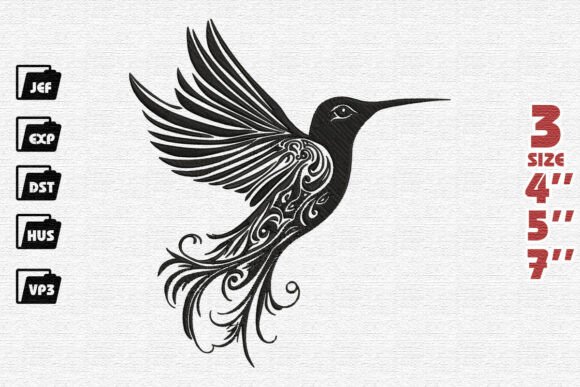
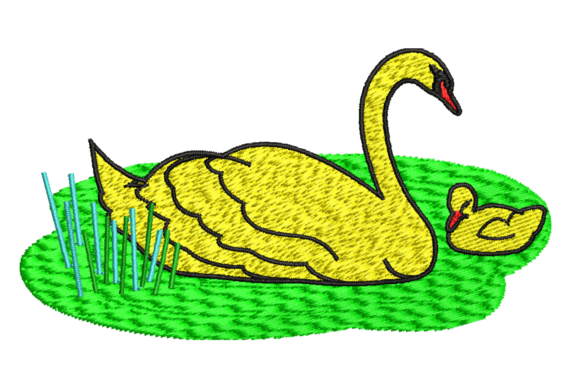
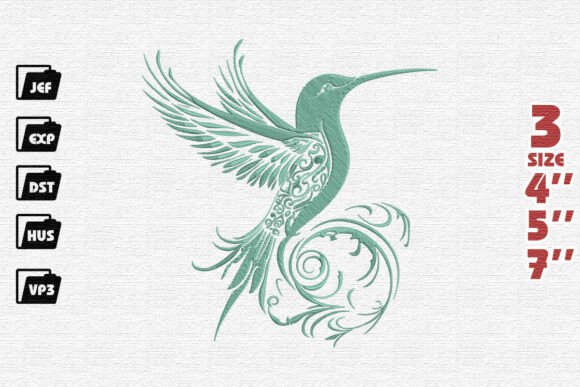
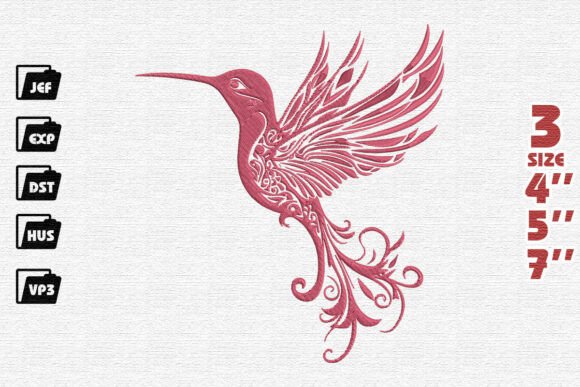
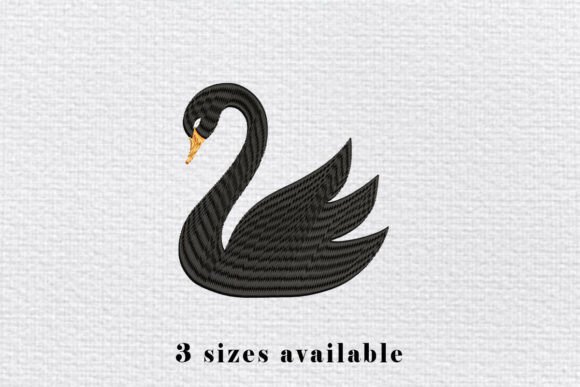
First impression? This isn’t a flashy, trend-chasing swan. It’s quiet confidence in thread form. The Elegant Black Swan Embroidery File leans into negative space and intentional restraint—clean curves, a poised neck arc, and subtle feather definition that suggests texture without overloading the stitch count. It feels like a design made for *wearing*, not just displaying. I immediately pictured it centered on a heavyweight organic cotton tote bag—no border, no frame, just the swan holding its own against natural fabric grain. That’s where its elegance lands: in how little it needs to say to feel complete.
Where It Lives Best (and Why)
This isn’t a one-size-fits-all machine embroidery design. Its strength is in intentionality. On a soft-loop terry kitchen towel? Perfect—delicate outlines pop against absorbent texture without fighting it. On a structured twill apron for a boutique coffee shop? Yes—the silhouette reads clearly at arm’s length, reinforcing brand calm rather than clutter. For baby embroidery? Ideal for a muslin swaddle or linen onesie—gentle scale, no sharp corners, no dense fill areas that could irritate sensitive skin. And as a standalone embroidered patch? It holds up beautifully when heat-applied to denim jackets or canvas backpacks—smooth satin stitch edges stay crisp, and the shape nests cleanly into standard 3"–4" hoops.
I recently tested it on a midweight French terry sweatshirt for a small-batch holiday collection. No outline, no background fill—just the swan alone, stitched in matte black thread on charcoal heather. Customers responded instantly: “It looks expensive,” “Feels like art, not decoration.” That’s the Elegant Black Swan Embroidery File doing its job—elevating the finished product without demanding attention.
Real-World Limits You’ll Want to Respect
Don’t force it where it doesn’t belong. On thin rayon or lightweight voile? Risky. Delicate outlines can blur or tunnel without heavy stabilizer—and even then, you lose that clean, airy feel. On highly textured bouclé or thick corduroy? Feather details may vanish into the pile. Curved surfaces like baseball caps need careful digitizing adjustments; this file wasn’t built for that geometry out of the box—test it on a scrap cap panel first, or plan for light manual editing.
Small hoop sizes (<3.5") will require trimming or repositioning—some wingtip detail sits near the outer edge, and compressing it sacrifices grace. And while it handles dark fabric well (especially with high-contrast thread), avoid pairing it with ultra-dense fill stitches on light fabrics unless you’ve verified stitch density—some versions of this design lean heavier in the body area, which can cause puckering on knits or silks.
What It Adds to Your Craft Business
For Etsy sellers and small shop owners, this Elegant Black Swan Embroidery File is quiet branding gold. It reads as handmade but polished—no amateurish jagged edges or uneven spacing. That builds customer trust faster than any description. When buyers see consistent, refined execution across your embroidered pillow covers, tea towels, or personalized gifts, they assume care, skill, and intention behind *everything* you offer.
It also works hard in digital spaces. As a digital embroidery file, it scales cleanly in printable mockups—no pixelation, no lost subtlety. Whether you’re showing it on a flat-lay sweatshirt preview or a lifestyle shot of a nursery wall hanging, the design retains its quiet authority. That consistency strengthens your visual identity across platforms, from Instagram to your Etsy banner.
Designer Notes You’ll Actually Use
- Always test on scrap fabric first—especially if using textured, stretchy, or dark materials. See how those delicate outlines hold up after washing and drying.
- Check thread color contrast early. Matte black on charcoal works. But navy on navy? You’ll lose definition. Try it in grayscale mockups before committing.
- Review stitch density—not just count. Look for balanced fill-to-outline ratios. Heavy fills in the swan’s chest can overwhelm lighter wing details if not digitized thoughtfully.
- Confirm hoop size compatibility. If your smallest production hoop is 4", verify all elements fit comfortably with ¼" margin.
- Inspect small details at 200% zoom. Are feather tips crisp? Does the beak taper cleanly? These are what separate a good embroidery file from a great one.
- Use proper stabilizer for your fabric type. Tear-away for stable wovens, cut-away for knits, and medium-weight for towels or bags.
- Verify licensing before selling finished items or reselling the digital embroidery file. This is critical for craft business owners and commercial embroidery professionals.
Final Thought: Elegance Isn’t Ornament—It’s Precision
The Elegant Black Swan Embroidery File earns its name not through excess, but through thoughtful omission. It’s the kind of embroidery file that makes your tote bags feel curated, your baby items feel heirloom-worthy, and your boutique merchandise feel cohesive—even when paired with other designs. It doesn’t shout “look at me.” It invites closer looking. And in a crowded market of handmade products and custom apparel, that quiet confidence is exactly what helps your work stand out—not louder, but clearer.
If you’re building a portfolio of refined, sellable embroidery project assets—or simply want a swan design that feels timeless, not trendy—this one belongs in your library. Just remember: elegance shows up in the details you keep, and the ones you let breathe.