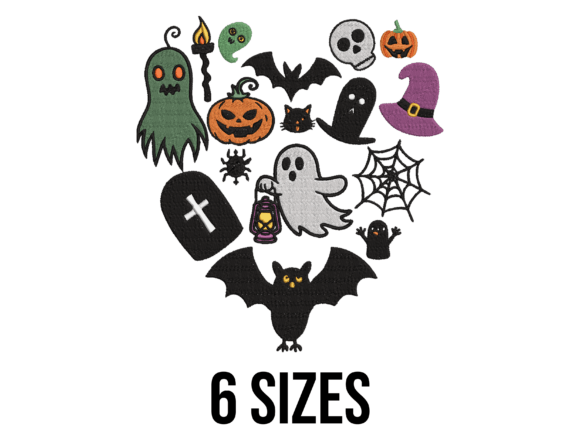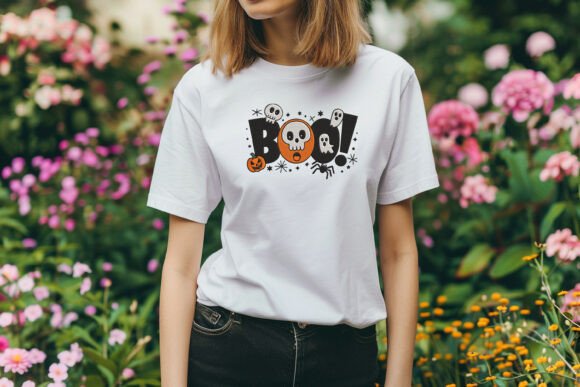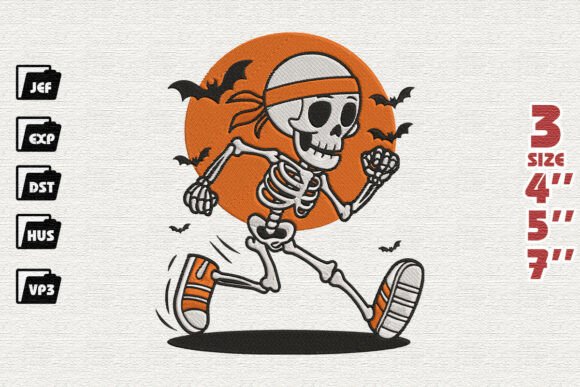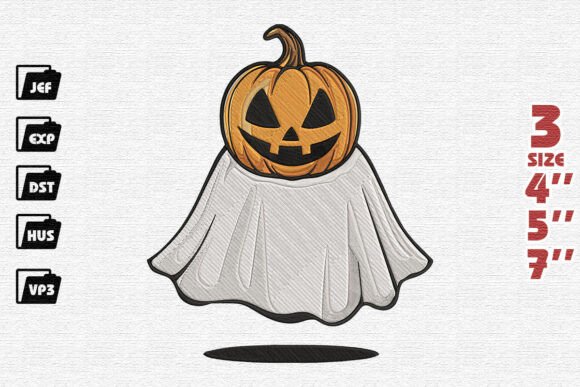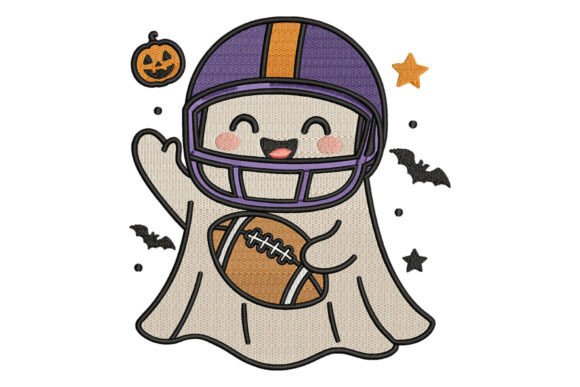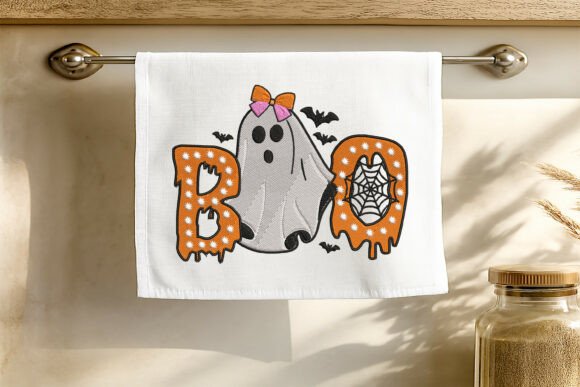
Halloween BOO Embroidery Design
A Practical Review for Small Business Merch & Branded Patches
As an embroidery designer who’s developed and tested hundreds of machine embroidery designs for small businesses—from neighborhood bakeries to indie florists and pet boutiques—I approached the Halloween BOO Embroidery Design with a very specific question: Does this work as functional brand reinforcement—not just seasonal decoration? The description—“Love Hands Line Art Embroidery Design”—immediately signals a softer, more approachable aesthetic than typical spooky motifs. That’s promising for businesses that want Halloween spirit without alienating families, professionals, or customers who prefer charm over creep.
First Impression: Friendly, Handmade, and Brand-Ready
The “Love Hands” line art style suggests clean outlines, intentional negative space, and gentle curves—not sharp edges or aggressive detailing. That translates well for small business merch: it feels handmade but professional, playful but not childish, and seasonal without being disposable. Unlike dense, highly saturated Halloween motifs, this design leans into simplicity—making it easier to scale, recolor, and integrate across multiple touchpoints. For a café adding Halloween flair to aprons or tote bags, or a boutique stitching it onto gift tags and staff caps, that balance is essential. It doesn’t scream “Halloween party”—it whispers “we celebrate with care.”
Real-World Performance Across Business Applications
The Halloween BOO Embroidery Design shines where versatility matters most:
- Embroidered patches: Works beautifully as a 2"–3" woven or chenille-style patch—ideal for attaching to jackets, backpacks, or reusable shopping totes. Its open line art holds up well at moderate sizes and avoids excessive stitch density that can stiffen fabric.
- Staff uniforms & aprons: As a chest accent or sleeve detail, it adds seasonal warmth without overwhelming workwear. Paired with neutral thread colors (heather gray, soft black, or cream), it maintains professionalism while nodding to the holiday.
- Cap embroidery: On structured or unstructured caps, it reads clearly at 2.5" wide—especially when placed on the front panel. Avoid placing it too high on curved crowns unless digitized with contour compensation.
- Tote bag design & product packaging accents: Stitches cleanly onto canvas, cotton duck, and medium-weight nonwovens. When used as a subtle corner mark on branded packaging or gift wrap, it reinforces handmade product identity without competing with primary branding.
- Etsy branding & craft business assets: Because it’s line-based and low-fill, it converts well into printable mockups and digital lookbooks—helping sellers showcase embroidered items without costly photo shoots.
Where to Use It Thoughtfully
Like any machine embroidery design, the Halloween BOO Embroidery Design has boundaries—and respecting them protects your brand reputation and customer trust. Avoid using it:
- Below 1.5" wide on patches or cap fronts—fine line details may collapse or lose definition;
- On heavily textured fabrics (like bouclé or thick terry) without extra stabilizer—line art relies on surface consistency;
- With ultra-low-contrast thread colors on dark uniforms—test readability under natural and indoor lighting;
- On items subjected to frequent commercial laundering (e.g., restaurant kitchen aprons) unless confirmed to use durable thread and tight stitch tension;
- In isolation—pair it with existing logo elements or brand fonts in mockups to ensure visual consistency across your design assets.
How It Strengthens Brand Identity & Customer Connection
For small businesses, seasonal embroidery isn’t just about timing—it’s about tone. A rushed, overly literal “BOO!” can feel gimmicky. But the Halloween BOO Embroidery Design, with its “Love Hands” sensibility, aligns with values many local brands emphasize: kindness, community, craftsmanship. When stitched onto a florist’s delivery tote or a pet brand’s bandana, it signals thoughtfulness—not trend-chasing. Customers notice that. They associate that attention to detail with product quality and service integrity. It also supports visual consistency: because it’s scalable and color-flexible, it works alongside your core logo—never against it. That builds recognition across seasons and touchpoints.
Essential Embroidery Designer Notes Before Production
Before you load the digital embroidery file into your machine or send it to a production partner, run these checks:
- Test in black and white first—verify outline clarity and spacing without color distraction;
- Check minimum viable size—scale it down to your smallest intended patch or cap application and inspect for lost detail;
- Review thread color contrast on your target fabric—especially if using light thread on dark apparel;
- Confirm spacing between letters and hand elements—tight gaps may cause nesting or thread breaks;
- Verify hoop size compatibility with your embroidery machine and intended placement;
- Test on real fabric + stabilizer combo—line art behaves differently on denim vs. twill vs. canvas;
- Create a physical or printable mockup for client approval—this avoids misaligned expectations;
- Compare it beside other design assets—does it complement your logo, typography, and seasonal palette?
- Confirm commercial licensing before using it on merchandise for resale—many digital embroidery files require explicit permission for small business merch use.
Remember: the strength of the Halloween BOO Embroidery Design lies not in how “Halloween” it looks—but in how authentically it represents your business during the season. Used intentionally, it becomes more than decoration. It becomes part of your story—stitched, trusted, and remembered.