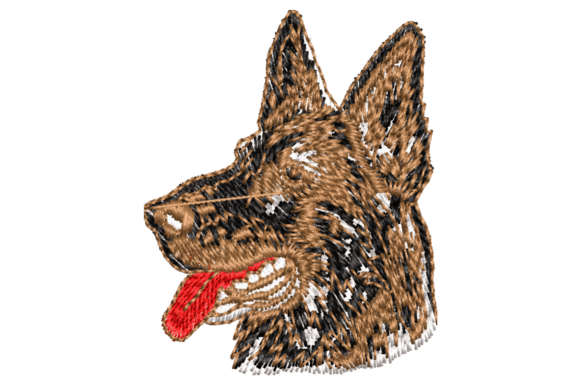
Dog Face Embroidery Design
First Impression: Cute, Clear, and Craft-Fair-Ready
As an embroidery designer who’s prepped over 200 craft fair booths—and sold thousands of handmade products—I opened this Dog Face Embroidery Design expecting charm, not clutter. And it delivered: the description promises an “adorable puppy expression with fine stitch details,” and that’s exactly what comes through. It reads as soft-cute—not cartoonish or overly stylized—so it lands perfectly for customers browsing handmade markets: think moms buying gifts for dog-loving teens, boutique owners curating pet-themed collections, and Etsy sellers building a cohesive small shop product line. It’s neither rustic nor ultra-modern; it’s approachable, friendly, and quietly premium—ideal for buyers who value handmade quality but don’t want kitsch.
Where It Shines: Top 5 Craft Fair Products
- Tote bag design: Centered on a natural canvas or oatmeal linen tote, the Dog Face Embroidery Design reads clearly from six feet away—no squinting needed. Its balanced proportions hold up beautifully at 4–5 inches wide, making it a standout among generic florals or text-based totes.
- Apron embroidery: Positioned just above the pocket or centered on the bib, it adds instant personality without overwhelming the garment. The “puppy expression” reads as warm and inviting—exactly what shoppers associate with handmade kitchen goods.
- Tea towel embroidery: Works best on medium-weight cotton or linen blends. The fine stitch details pop against tight weaves, and the design’s compact shape avoids bleeding into seams or hems. Avoid overly textured towels—the stitch density may blur on heavy waffle weaves.
- Embroidered patch: This is where the Dog Face Embroidery Design truly earns its keep. Clean edges, moderate fill areas, and expressive features translate flawlessly into a sew-on or iron-on patch. Great for bundling (e.g., “Pet Lover Pack” with cat + bone + paw patches) and highly photogenic for Etsy listings.
- Pillow cover & small pouch: At 3–3.5 inches tall, it anchors the front panel without dominating. On velvet or brushed cotton, the subtle texture enhances depth in the eyes and muzzle—adding perceived value to your finished product.
What Holds It Back (And How to Fix It)
The phrase “fine stitch details” in the product description is both its strength and its caution flag. On dark fabric? You’ll need high-contrast thread colors—think creamy ecru or bright white—to preserve clarity. On curved cap surfaces or thick denim? Those delicate facial features risk distortion unless you adjust underlay and reduce stitch density slightly. And yes—it’s not ideal for sub-2-inch applications: tiny eyes or nose definition can vanish on toddler onesies or keychain tags. Always test the machine embroidery design on scrap fabric matching your final product’s weight and texture. Don’t assume the digital embroidery file will behave the same on chambray as it does on quilting cotton.
Booth Impact & Buyer Psychology
In a crowded craft fair aisle, visual rhythm matters. The Dog Face Embroidery Design creates immediate warmth—people pause, smile, and often say, “Oh, my dog looks just like that!” That micro-moment of connection drives engagement far more than clever fonts or trendy palettes. When grouped with complementary items (a dog-themed tea towel beside an embroidered market bag, a set of three patches displayed on a mini corkboard), it reinforces brand consistency—even if you’re a solo maker with no formal logo. Buyers perceive cohesion, care, and intentionality. And because it’s versatile across categories—from apparel to home goods—it strengthens your booth’s storytelling: “This is who I make for. This is how I celebrate everyday joy.”
Production Realities Every Maker Should Know
Before batch-producing, run these checks:
- Confirm hoop size compatibility—does it fit comfortably in your most-used hoop without re-hooping mid-stitch?
- Inspect stitch density in the muzzle and eye areas. Overly dense fills on lightweight fabrics cause puckering. Lighten underlay or add a tear-away stabilizer layer if needed.
- Create at least one real mockup—not just a printable mockup. See how thread colors interact with your actual fabric swatches. A “soft gray” thread can read charcoal on ivory linen but muddy on oatmeal canvas.
- Review spacing between elements. If the Dog Face Embroidery Design includes implied whiskers or inner ear detail, ensure those lines won’t collapse when stitched at scale.
- Verify commercial licensing status. If you plan to sell finished products (not just the embroidery file), confirm the license permits commercial embroidery use—especially for Etsy sellers and wholesale boutique makers.
Photography & Online Listings: Why It Converts
This design photographs exceptionally well—no filters required. Its balanced contrast, gentle curves, and expressive focal point (those eyes!) create natural visual hierarchy in flat-lays and lifestyle shots. For Etsy sellers, that means higher click-through rates and lower bounce rates. Pair it with neutral backdrops and authentic context—a hand holding a dog-tag necklace beside an embroidered apron, or a sunlit kitchen counter with the tea towel draped over a ceramic mug. The Dog Face Embroidery Design doesn’t shout; it invites. And in a sea of saturated digital embroidery files, that quiet confidence builds trust.
Final Verdict for Creative Entrepreneurs
The Dog Face Embroidery Design isn’t just another cute motif—it’s a reliable, emotionally resonant asset for makers who sell experience, not just objects. It performs across categories, scales thoughtfully, and supports both quick-turn craft fair products and evergreen handmade goods. Yes, it asks for attention to stabilizer choice and thread contrast—but that’s where your expertise shines. When you get it right, customers don’t just buy a tote bag. They buy a smile, a memory, a shared language of love for dogs. And that’s the kind of handmade product that gets tagged, gifted, and remembered.